
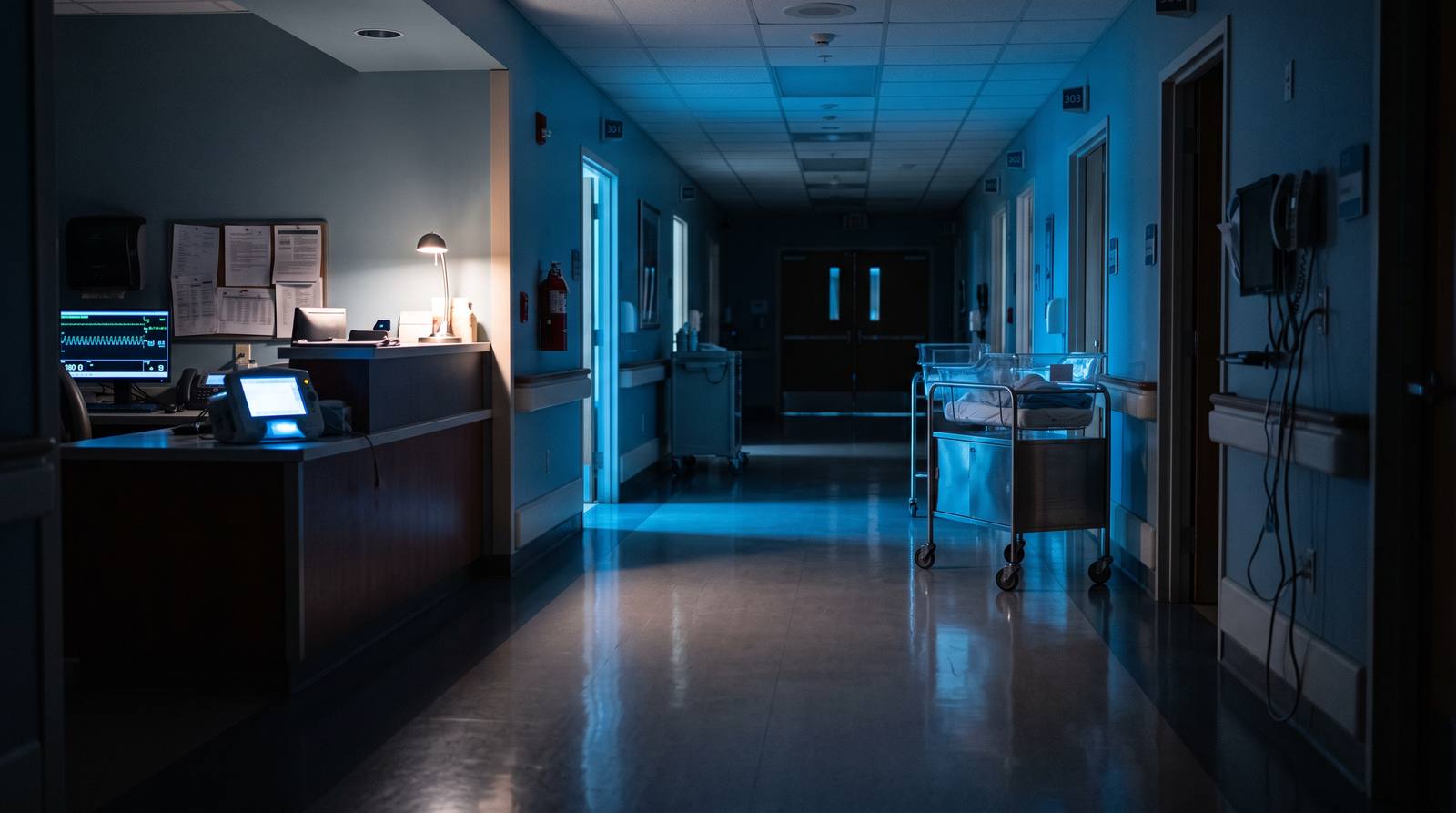

A cerebral palsy diagnosis changes everything you had planned. Between therapy, specialist visits and daily care, many parents in Los Angeles and across California end up asking the same hard question: did something go wrong in the delivery room?
Sometimes the honest answer is no: most cerebral palsy is not caused by mistakes during labor. But sometimes the brain injury happened because a doctor or nurse missed warning signs, waited too long to act, or used a delivery tool the wrong way. When that happens, California law lets the family seek compensation for the child’s lifetime of care.
This page explains what cerebral palsy is, how errors during labor and delivery can cause it, the signs parents notice first, and how Beverly Law reviews the medical records for free. Call 1 (877) 427-2752 any time, in English or Spanish.
Was your baby hurt during delivery?
Tell us your name and phone. We call you back today, in English or Spanish, and the consultation is free.
Free consultation · English y Español · No fee unless we win
What is cerebral palsy
Cerebral palsy (CP) is a group of disorders that affect a person’s ability to move and keep balance and posture. The CDC calls it the most common motor disability in childhood. It is caused by abnormal brain development or damage to the developing brain before birth, during birth, or in the first years of life.
According to Cleveland Clinic, CP affects about 3 out of every 1,000 children in the United States. The CDC reports that about 80% of cases are spastic CP, meaning stiff muscles and exaggerated reflexes. Other types cause slow, uncontrolled movements (dyskinetic) or balance problems (ataxic); some children have a mix.
CP is permanent and has no cure, but therapy, medicines for stiff muscles, braces and sometimes surgery help. A diagnosis usually happens between 1 and 2 years of age, once developmental delays become clear.
How mistakes during labor and delivery cause it
Some context first. The CDC reports that 85% to 90% of CP is congenital (the damage occurred before or during birth) and that scientists now believe lack of oxygen during birth explains only a small number of cases. Mayo Clinic agrees: oxygen loss during hard labor or delivery is a real cause, but less common than once thought.
Still, when a baby’s brain is starved of oxygen or blood flow during labor (hypoxic-ischemic encephalopathy, or HIE), the damage can be severe: Cleveland Clinic reports that an estimated 25% to 60% of infants with HIE develop long-term neurological conditions such as cerebral palsy or epilepsy. The legal question is whether the medical team could have prevented that oxygen loss by following standard practice. The most common failures:
- Ignored fetal heart-rate monitoring. The baby’s heart rate is watched during labor because an irregular pattern can mean too little oxygen. Repeated late decelerations or a slow heart rate are signs of fetal distress that call for action.
- Delayed emergency C-section. When position changes, IV fluids and stopping labor drugs do not resolve serious distress, the standard response is immediate delivery, by C-section or with forceps or vacuum. Every extra minute is more time without oxygen.
- Uterine rupture, placental abruption and cord problems. The CDC lists all three as events that can cut off the baby’s oxygen. They are emergencies that must be recognized fast.
- Too much labor-inducing medication. Contractions that come too often are a known cause of fetal distress; reducing or stopping oxytocin is a first step when the monitor shows a problem.
- Forceps or vacuum misuse. Used correctly both are safe, but they carry rare serious risks, including skull fracture and bleeding in or around the brain. Too much force, too many attempts or the wrong position raises those risks.
- Untreated infections. Maternal infections during pregnancy and newborn infections that cause swelling in or around the brain are recognized causes of CP. Failing to catch or treat them can be negligence.
- Untreated jaundice (kernicterus). Most newborns get some jaundice, but when severe jaundice goes untreated, bilirubin can cause brain damage called kernicterus, which can cause CP. The American Academy of Pediatrics says a baby with jaundice in the first 24 hours should have bilirubin measured right away; phototherapy is the standard treatment.
Signs parents notice
Signs usually appear in the first months of life, though the formal diagnosis often comes later. According to the CDC, NINDS and March of Dimes, parents may notice:
- Under 6 months: the baby feels unusually stiff or floppy; the head falls back when picked up; the legs stiffen and cross or “scissor”.
- After 6 months: does not roll over, cannot bring the hands together or to the mouth, or reaches with one hand while keeping the other in a fist.
- After 10 months: crawls lopsided, pushing off with one hand and leg and dragging the other side, or scoots on the bottom instead of crawling.
- Feeding problems: trouble sucking, chewing or swallowing, and a lot of drooling.
- Delayed milestones: late sitting, crawling, standing with support or walking.
- Abnormal muscle tone or reflexes: muscles that are too tight or too loose, exaggerated reflexes, an unusual posture or favoring one side of the body.
- Seizures, which some children with CP develop.
Is it medical negligence?
Not every bad outcome is malpractice. Doctors and nurses are held to a standard of care: what a reasonably careful provider in the same specialty would have done in the same situation. A cerebral palsy case must prove that the provider owed your child a duty of care, fell below that standard, and that the failure caused or substantially contributed to the brain injury and real damages.
Causation is usually the hardest part. Because most CP is congenital and often cannot be traced to a single event, the defense will argue the injury happened before labor began. Proving otherwise takes the fetal monitoring strips, the timing of every decision, cord blood gases, Apgar scores and brain imaging, read by obstetric and pediatric neurology experts.
Be honest with yourself: many CP cases are not malpractice, and a lawyer who promises otherwise before seeing the records is not doing you a favor. Only a careful records review tells the difference. If the records show a preventable delay or an ignored warning, there is a case to evaluate. If not, you deserve to hear it plainly.
Deadline to file in California
California gives a child’s birth-injury case its own deadline. Under Code of Civil Procedure § 340.5, a minor must sue within three years of the wrongful act, but a child who was under six when it happened has until his or her eighth birthday if that is longer. For a baby hurt during labor or delivery, that usually means the eighth birthday. The clock runs from the act itself, not from the day the family learned what went wrong, and it is paused only in narrow cases of fraud or collusion. Parents’ own claims, and claims against a public hospital, can have much shorter deadlines, so it is safer to get advice early.
Many California babies are born at county or University of California hospitals: LAC+USC, Harbor-UCLA, Olive View-UCLA, Riverside University Health System, Arrowhead Regional, UC Irvine, UC San Diego, UC Davis and others. These are public entities, and the Government Claims Act applies. Under Government Code § 911.2, a written claim for injury or death must be presented to the public entity within six months of the injury, before any lawsuit. If the claim is rejected in writing, Government Code § 945.6 gives six months from that notice to file suit. The child’s longer deadline under Code of Civil Procedure § 340.5 does not replace this six-month claim, so families with a public-hospital birth should act right away.
What compensation covers
A child with cerebral palsy may need support for life, and the goal of a claim is that this support does not depend on what the family can afford. Depending on the facts, compensation may cover lifetime medical care (doctors, specialists, hospital stays, medications, future surgeries) and therapy: physical, occupational, speech and recreational, often for years.
It may also cover equipment and its replacement as the child grows (wheelchairs, walkers, braces, communication devices), home and vehicle modifications such as ramps, accessible bathrooms and lifts, and in-home care for daily activities.
Finally, it covers the child’s lost earning capacity, the parents’ lost income when one cuts hours or leaves work to provide care, and pain and suffering: physical pain and loss of enjoyment of life, which California law treats as non-economic damages.
California’s MICRA law limits one part of a medical malpractice recovery. Under Civil Code § 3333.2, as amended by AB 35, non-economic damages (pain, suffering, loss of enjoyment of life) are capped. In 2026 the cap is $470,000 for injury and $650,000 for wrongful death, and it rises every January 1 ($40,000 and $50,000 a year until 2033, then 2% a year). Separate caps can apply to doctors, hospitals and unaffiliated providers. Economic damages are not capped: lifetime medical care, therapy, equipment, home modifications and lost earning capacity can be recovered in full, and in a birth-injury case they are usually the largest part of the claim.
What to ask the hospital for
You have the right to request your own medical records and your child’s. Ask for the complete file, not a summary, in writing. If you cannot get everything, Beverly Law requests the records from the hospital as part of the free review. What matters most:
- Complete prenatal and labor-and-delivery records, with the time of every medication, exam and decision.
- Fetal heart-rate monitoring strips (the continuous tracing, not just notes about it).
- Nursing notes and flow sheets from labor, delivery and the newborn nursery.
- Apgar scores.
- Umbilical cord blood gas results.
- NICU records, including bilirubin levels, any cooling treatment (therapeutic hypothermia) and EEG results.
- Imaging: head ultrasound, MRI and CT reports, and the images themselves.
- Discharge summaries for mother and baby.
How Beverly Law helps
Beverly Law is a Los Angeles personal injury firm handling birth-injury and medical malpractice cases across California. The first step is always a free review of the medical records: we request them, have qualified experts in obstetrics, neonatology and pediatric neurology read them, and tell you honestly whether the evidence points to a preventable injury.
If it does, we handle everything from there: the formal notices, the hospital and its lawyers, the insurer, the experts and the litigation. You focus on your child. We work on contingency: no fee unless we win, nothing up front, and nothing at all if there is no recovery.
Our team serves families in English y Español, by phone, video or in person. Call 1 (877) 427-2752 to talk with us about what happened during your delivery.
Free birth-injury case review
We review the delivery records with medical experts and tell you honestly whether there is a case. You pay nothing unless we win.
Questions parents ask
Can cerebral palsy be caused by a difficult birth?
Yes, but it is less common than people once believed. Lack of oxygen during hard labor or delivery is a recognized cause of cerebral palsy, and events such as placental abruption, uterine rupture, umbilical cord problems and untreated jaundice can injure a newborn’s brain. Still, most CP is linked to problems that developed before labor started. Whether your child’s case is one of the birth-related ones depends on what the delivery records show.
How do I know if my child’s cerebral palsy was preventable?
You usually cannot tell from the outside. The answer is in the records: the fetal heart-rate strips, when warning signs appeared and how long the team took to respond, the cord blood gases, Apgar scores and MRI findings. Medical experts compare what was done with what a careful provider should have done. Beverly Law reviews those records for free and tells you plainly whether the injury looks preventable.
How long do I have to sue in California?
California gives a child’s birth-injury case its own deadline. Under Code of Civil Procedure § 340.5, a minor must sue within three years of the wrongful act, but a child who was under six when it happened has until his or her eighth birthday if that is longer. For a baby hurt during labor or delivery, that usually means the eighth birthday. The clock runs from the act itself, not from the day the family learned what went wrong, and it is paused only in narrow cases of fraud or collusion. Parents’ own claims, and claims against a public hospital, can have much shorter deadlines, so it is safer to get advice early.
How much does a lawyer cost?
Nothing up front. Beverly Law handles cerebral palsy and other birth-injury cases on contingency: the consultation and the records review are free, we advance the costs of experts and litigation, and our fee comes only out of the money we recover for your child. If there is no recovery, you owe us no fee. We explain the percentage in writing before you sign anything.
Is there a cap on compensation?
California’s MICRA law limits one part of a medical malpractice recovery. Under Civil Code § 3333.2, as amended by AB 35, non-economic damages (pain, suffering, loss of enjoyment of life) are capped. In 2026 the cap is $470,000 for injury and $650,000 for wrongful death, and it rises every January 1 ($40,000 and $50,000 a year until 2033, then 2% a year). Separate caps can apply to doctors, hospitals and unaffiliated providers. Economic damages are not capped: lifetime medical care, therapy, equipment, home modifications and lost earning capacity can be recovered in full, and in a birth-injury case they are usually the largest part of the claim.
What if my baby was born at a county hospital?
Many California babies are born at county or University of California hospitals: LAC+USC, Harbor-UCLA, Olive View-UCLA, Riverside University Health System, Arrowhead Regional, UC Irvine, UC San Diego, UC Davis and others. These are public entities, and the Government Claims Act applies. Under Government Code § 911.2, a written claim for injury or death must be presented to the public entity within six months of the injury, before any lawsuit. If the claim is rejected in writing, Government Code § 945.6 gives six months from that notice to file suit. The child’s longer deadline under Code of Civil Procedure § 340.5 does not replace this six-month claim, so families with a public-hospital birth should act right away.
Do I need my child’s medical records before calling?
No. Many parents call with only their memory of what happened and a diagnosis, and that is enough to start. Tell us where and when your child was born and what you remember about the labor, and we will request the complete records from the hospital ourselves. If you already have documents, such as a discharge summary or an MRI report, have them handy, but do not wait to gather everything.
Ask a question
Not ready to call? Write your question and a member of our team answers you — no cost, no commitment.
Cerebral Palsy Lawyer in California — Beverly Law
Free case review for families in California. We obtain the delivery records, have them reviewed by medical experts and deal with the hospital and its insurer — you focus on your child. You pay nothing unless we win.
Related pages
Erb’s Palsy / Brachial Plexus Injury · HIE / Oxygen Deprivation at Birth · Statute of Limitations · MICRA Damages Cap · California birth injury lawyers
Cities we serve
Los Angeles · Orange County · San Diego · Riverside · San Bernardino
Sources
- CDC — About Cerebral Palsy
- CDC — Cerebral Palsy: Causes and Risk Factors
- NINDS (NIH) — Cerebral Palsy
- NINDS (NIH) — Hypoxic Ischemic Encephalopathy
- Mayo Clinic — Cerebral Palsy: Symptoms and Causes
- Cleveland Clinic — Cerebral Palsy
- Cleveland Clinic — Hypoxic-Ischemic Encephalopathy (HIE)
- Cleveland Clinic — Fetal Heart Rate Monitoring
- Cleveland Clinic — Fetal Distress
- Cleveland Clinic — Forceps Delivery
- Cleveland Clinic — Vacuum Extraction Delivery
- MedlinePlus — Cerebral Palsy (Medical Encyclopedia)
- MedlinePlus — Cerebral Palsy (Health Topic)
- March of Dimes — Cerebral Palsy
- AAP HealthyChildren.org — Jaundice in Newborns
Important: This page is general information about birth injuries and California law, not legal advice, and reading it does not create an attorney-client relationship with Beverly Law. Every case is different — talk to a lawyer about your own situation. Attorney advertising. Prior results do not guarantee a similar outcome. No fee unless we win. Last reviewed: 2026-09-18.