
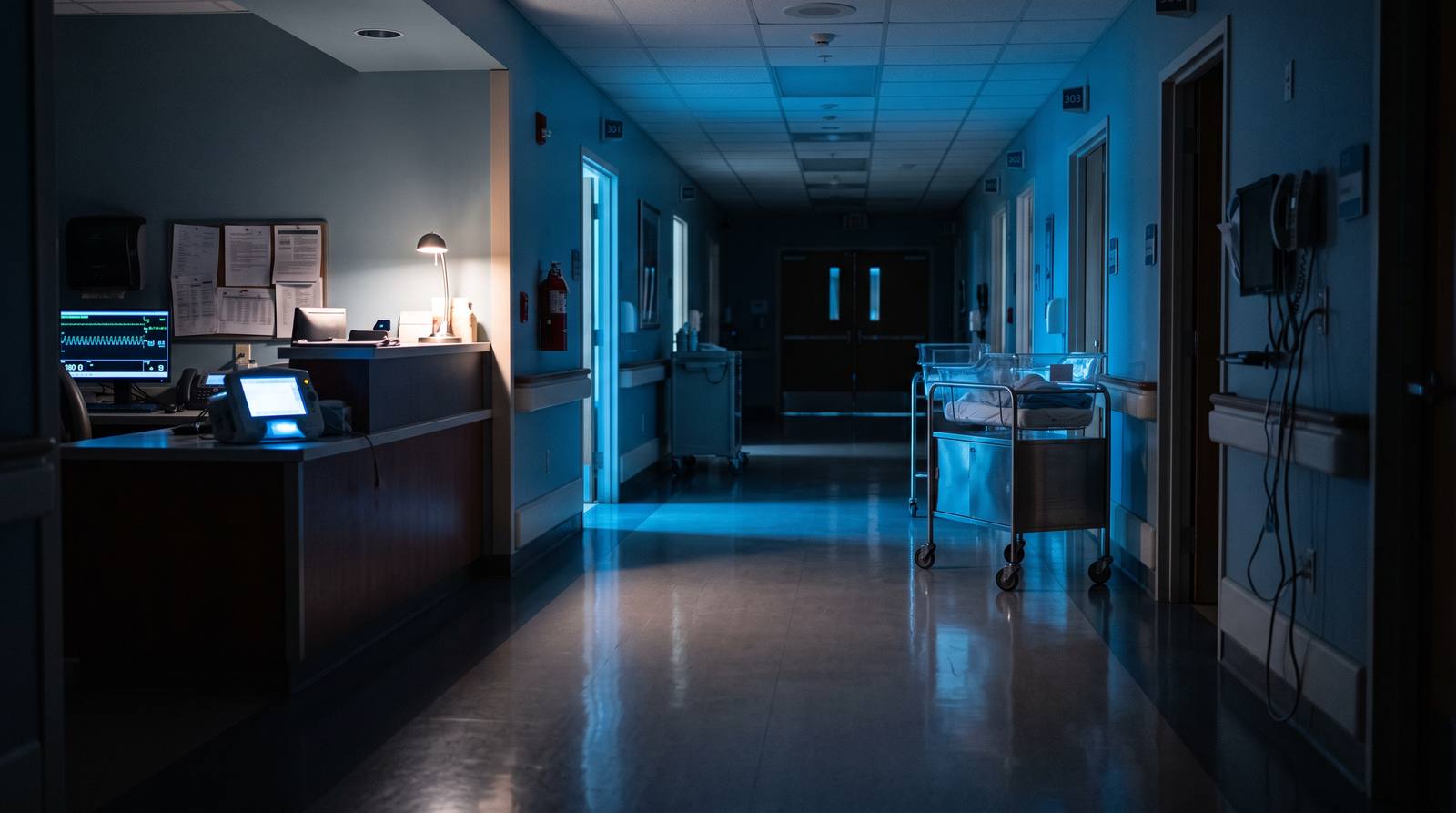

Hypoxic-ischemic encephalopathy, or HIE, is a brain injury that happens when a baby’s brain does not get enough oxygen or blood flow before, during or shortly after birth. It is one of the most serious outcomes of a difficult labor and the diagnosis behind many cases of cerebral palsy, epilepsy and developmental delay.
Sometimes HIE happens even when everyone in the delivery room does everything right. In other cases the warning signs were on the fetal monitor for a long time, the emergency C-section came too late, or the baby was not resuscitated and cooled quickly enough. Those are the situations where the law allows parents to ask hard questions.
This page explains what HIE is, how mistakes during labor and delivery cause it, the signs parents notice, what a records review shows, the California deadline and what compensation covers. Beverly Law offers a free, confidential case review in English and Spanish.
Was your baby hurt during delivery?
Tell us your name and phone. We call you back today, in English or Spanish, and the consultation is free.
Free consultation · English y Español · No fee unless we win
What is HIE
Hypoxic means too little oxygen, ischemic means too little blood flow, and encephalopathy means the brain is not working normally. The National Institute of Neurological Disorders and Stroke (NINDS) describes HIE as an umbrella term for a brain injury that happens before, during or shortly after birth when oxygen or blood flow to the brain is reduced or stopped. According to Cleveland Clinic, HIE affects an estimated 1 to 6 infants out of every 1,000 births.
In the first hours of life, doctors grade the injury with the modified Sarnat exam, which looks at six areas: level of consciousness, spontaneous activity, posture, muscle tone, primitive reflexes and the autonomic system. The result is recorded as no encephalopathy, mild, moderate or severe. It is a snapshot, not a prediction, but it drives a key decision in the NICU: whether the baby qualifies for cooling.
Therapeutic hypothermia, or cooling therapy, is the main treatment for moderate to severe HIE. Nationwide Children’s Hospital explains that it must be started within the first 6 hours after birth: a cooling system lowers the baby’s body temperature to 91.4°F to 95°F (33°C to 35°C) for up to 72 hours, and then the baby is slowly rewarmed. The goal is to protect the brain from further injury.
HIE is closely linked to lifelong conditions. NINDS lists cerebral palsy, epilepsy, developmental delays and intellectual disabilities among its long-term effects, and Cleveland Clinic estimates that 25% to 60% of infants with HIE have long-term neurological conditions. Nationwide Children’s notes that the severity may not be seen until ages 3 to 4.
How mistakes during labor and delivery cause it
Before birth, a baby gets its oxygen through the placenta and umbilical cord, and labor stresses that supply. That is why hospitals monitor the fetal heart rate. Cleveland Clinic describes the signs of fetal distress as a slow fetal heart rate and repeated late or variable decelerations (brief drops tied to contractions). When the pattern is concerning, the team is expected to act: reposition the mother, give IV fluids, slow or stop contractions and, if the baby does not recover, move to an emergency delivery or C-section.
Some events cut off oxygen suddenly. NINDS and Cleveland Clinic list umbilical cord prolapse or compression, placental abruption (the placenta separating from the uterus), uterine rupture (the uterus tearing open), preeclampsia and very high or very low maternal blood pressure, and the baby’s shoulders getting stuck for a prolonged period. In these emergencies, minutes count.
Medical mistakes usually involve time: not reading the monitoring strip correctly or not escalating to the physician, waiting too long to call an emergency C-section or to get the mother to the operating room, not slowing contractions that are too frequent, failing to recognize an abruption or rupture, leaving high blood pressure untreated, and a slow or disorganized resuscitation once the baby is born. Because cooling has a 6-hour window, a delay in recognizing HIE after birth can also cause lasting harm.
Signs parents notice
HIE is diagnosed by doctors, but parents are usually the first to sense that something is wrong:
- A low Apgar score. It is given at 1 and 5 minutes after birth and rates breathing, heart rate, muscle tone, reflexes and skin color; MedlinePlus says any score below 7 means the baby needs medical attention.
- The baby needed resuscitation: help breathing right after delivery, sometimes for 10 minutes or longer.
- Seizures or unusual movements in the first days of life. Some seizures are subtle and only show up on an EEG.
- A NICU stay, often with cooling therapy, an EEG and a brain MRI.
- Trouble feeding: a weak suck, choking, or needing a feeding tube.
- Unusual muscle tone: floppy and weak, or stiff and tense.
- Pale, blue or gray skin, lips or fingers, or a weak cry.
- Later, missed milestones such as holding the head up, sitting or crawling, or a diagnosis of cerebral palsy, epilepsy or developmental delay.
Is it medical negligence?
Medical negligence, also called medical malpractice, means a doctor, nurse or hospital did not act the way a reasonably careful professional would have in the same situation. This is called the standard of care. The question is not whether the outcome was bad; it is whether the care fell below that standard and whether that failure caused the injury.
HIE can happen without anyone being negligent. Nationwide Children’s Hospital notes that often the exact cause of HIE is unknown, and Mayo Clinic points out that lack of oxygen during a hard labor or delivery is a less common cause of cerebral palsy than previously thought. A sudden abruption or a cord accident can injure a baby even with excellent care. That is why every case starts with the records, not with assumptions.
A records review looks at timing. The fetal heart-rate strips show when the pattern became concerning; the nursing notes show when the physician was told; the operative record shows when the C-section was ordered and done. The cord blood gas shows whether the baby was acidotic at birth (the cooling criteria at Children’s Hospital of Philadelphia include a pH of 7.0 or lower), and the resuscitation and cooling records show whether treatment started inside the 6-hour window. The brain MRI, usually done at 4 to 7 days of age, can show where the brain was damaged. Physicians in obstetrics, neonatology and pediatric neurology review these records to say whether the injury was preventable.
Deadline to file in California
California gives a child’s birth-injury case its own deadline. Under Code of Civil Procedure § 340.5, a minor must sue within three years of the wrongful act, but a child who was under six when it happened has until his or her eighth birthday if that is longer. For a baby hurt during labor or delivery, that usually means the eighth birthday. The clock runs from the act itself, not from the day the family learned what went wrong, and it is paused only in narrow cases of fraud or collusion. Parents’ own claims, and claims against a public hospital, can have much shorter deadlines, so it is safer to get advice early.
Many California babies are born at county or University of California hospitals: LAC+USC, Harbor-UCLA, Olive View-UCLA, Riverside University Health System, Arrowhead Regional, UC Irvine, UC San Diego, UC Davis and others. These are public entities, and the Government Claims Act applies. Under Government Code § 911.2, a written claim for injury or death must be presented to the public entity within six months of the injury, before any lawsuit. If the claim is rejected in writing, Government Code § 945.6 gives six months from that notice to file suit. The child’s longer deadline under Code of Civil Procedure § 340.5 does not replace this six-month claim, so families with a public-hospital birth should act right away.
What compensation covers
A child with moderate or severe HIE may need care for life. A claim in California can seek the cost of that care, based on a life-care plan prepared by medical and economic experts: lifetime medical care, seizure medication, surgeries and nursing; physical, occupational, speech and feeding therapy; equipment such as wheelchairs, braces and communication devices; home and vehicle modifications; and special education with one-on-one support at school.
A claim can also seek the earning capacity the child will lose as an adult, the income parents give up when one of them stops working to become a caregiver, and pain and suffering, loss of enjoyment of life and other non-economic harms.
California’s MICRA law limits one part of a medical malpractice recovery. Under Civil Code § 3333.2, as amended by AB 35, non-economic damages (pain, suffering, loss of enjoyment of life) are capped. In 2026 the cap is $470,000 for injury and $650,000 for wrongful death, and it rises every January 1 ($40,000 and $50,000 a year until 2033, then 2% a year). Separate caps can apply to doctors, hospitals and unaffiliated providers. Economic damages are not capped: lifetime medical care, therapy, equipment, home modifications and lost earning capacity can be recovered in full, and in a birth-injury case they are usually the largest part of the claim.
What to ask the hospital for
Parents can request copies of their own and their baby’s medical records. Ask in writing as early as possible and keep everything. The most useful items are:
- Complete prenatal records and the full labor and delivery chart.
- Fetal heart-rate monitoring strips for the entire labor.
- Nursing notes and physician notes with time stamps.
- Apgar scores at 1, 5 and 10 minutes.
- Umbilical cord blood gas results (pH and base deficit).
- The newborn resuscitation record, with who was present and when each step happened.
- Complete NICU records, including the neurological (Sarnat) exam.
- Cooling-therapy records: start time, temperature log and rewarming record.
- Brain imaging: head ultrasound and MRI reports and images.
- EEG reports.
- The discharge summary for mother and baby.
How Beverly Law helps
Beverly Law is a Los Angeles personal injury firm that represents families throughout California, in English and Spanish. A birth-injury case takes records, medical experts, time and resources that most families do not have while caring for a newborn with special needs. We take on that work so you can focus on your child.
It starts with a free, confidential case review. We listen, request the complete hospital records on your behalf, and have them reviewed by physicians who handle deliveries and care for babies with HIE. If the standard of care was not met, we explain your options, file within the deadline and pursue the compensation your child’s care will require. If the injury could not have been prevented, we tell you that honestly.
There is no fee unless we win. Call 1 (877) 427-2752 or send us a message to schedule your free consultation. Hablamos español.
Free birth-injury case review
We review the delivery records with medical experts and tell you honestly whether there is a case. You pay nothing unless we win.
Questions parents ask
What causes HIE?
HIE happens when the baby’s brain does not get enough oxygen or blood flow before, during or shortly after birth. During labor, common causes include umbilical cord prolapse or compression, placental abruption, uterine rupture, very high or very low maternal blood pressure, and a baby whose shoulders get stuck. Sometimes the exact cause is never found. The key question in a legal case is whether the warning signs were recognized and treated in time.
Could my baby’s HIE have been prevented?
Not always. Some events, like a sudden placental abruption, can injure a baby even with excellent care. But when the fetal heart-rate strip showed distress for a long time, the emergency C-section was delayed, or resuscitation and cooling started late, the injury may have been avoidable. The only way to know is to have the complete labor, delivery and NICU records reviewed by qualified physicians.
What is cooling therapy and why does timing matter?
Cooling therapy, or therapeutic hypothermia, lowers a newborn’s body temperature to 33°C to 35°C for up to 72 hours to protect the brain from further injury after the initial loss of oxygen. It is used for moderate to severe HIE and must begin within 6 hours of birth. If a hospital did not recognize HIE in time to cool, or did not transfer the baby quickly to a hospital that could, that delay becomes part of the records review.
How long do I have to sue in California?
California gives a child’s birth-injury case its own deadline. Under Code of Civil Procedure § 340.5, a minor must sue within three years of the wrongful act, but a child who was under six when it happened has until his or her eighth birthday if that is longer. For a baby hurt during labor or delivery, that usually means the eighth birthday. The clock runs from the act itself, not from the day the family learned what went wrong, and it is paused only in narrow cases of fraud or collusion. Parents’ own claims, and claims against a public hospital, can have much shorter deadlines, so it is safer to get advice early.
What if the baby was born at a county or UC hospital?
Many California babies are born at county or University of California hospitals: LAC+USC, Harbor-UCLA, Olive View-UCLA, Riverside University Health System, Arrowhead Regional, UC Irvine, UC San Diego, UC Davis and others. These are public entities, and the Government Claims Act applies. Under Government Code § 911.2, a written claim for injury or death must be presented to the public entity within six months of the injury, before any lawsuit. If the claim is rejected in writing, Government Code § 945.6 gives six months from that notice to file suit. The child’s longer deadline under Code of Civil Procedure § 340.5 does not replace this six-month claim, so families with a public-hospital birth should act right away.
Is there a cap on compensation?
California’s MICRA law limits one part of a medical malpractice recovery. Under Civil Code § 3333.2, as amended by AB 35, non-economic damages (pain, suffering, loss of enjoyment of life) are capped. In 2026 the cap is $470,000 for injury and $650,000 for wrongful death, and it rises every January 1 ($40,000 and $50,000 a year until 2033, then 2% a year). Separate caps can apply to doctors, hospitals and unaffiliated providers. Economic damages are not capped: lifetime medical care, therapy, equipment, home modifications and lost earning capacity can be recovered in full, and in a birth-injury case they are usually the largest part of the claim.
How much does a lawyer cost?
Nothing up front. Beverly Law handles birth-injury cases on a contingency basis: the consultation is free and our fee is a percentage of the recovery, paid only if we win. If there is no recovery, you owe us no attorney’s fee. Before you sign anything, we walk you through the agreement, including how case costs such as expert reviews are handled, in English or Spanish.
Ask a question
Not ready to call? Write your question and a member of our team answers you — no cost, no commitment.
HIE and Oxygen Deprivation at Birth: California Lawyer — Beverly Law
Free case review for families in California. We obtain the delivery records, have them reviewed by medical experts and deal with the hospital and its insurer — you focus on your child. You pay nothing unless we win.
Related pages
Cerebral Palsy · Erb’s Palsy / Brachial Plexus Injury · Statute of Limitations · MICRA Damages Cap · California birth injury lawyers
Cities we serve
Los Angeles · Orange County · San Diego · Riverside · San Bernardino
Sources
- NINDS — Hypoxic-Ischemic Encephalopathy
- Cleveland Clinic — Hypoxic-Ischemic Encephalopathy (HIE)
- Nationwide Children's Hospital — Neonatal Hypoxic-Ischemic Encephalopathy
- Children's Hospital of Philadelphia — Therapeutic Hypothermia for HIE: Eligibility Criteria
- Hope for HIE — What is HIE
- MedlinePlus — Apgar Score
- Cleveland Clinic — Fetal Distress
- Mayo Clinic — Cerebral Palsy: Symptoms and Causes
Important: This page is general information about birth injuries and California law, not legal advice, and reading it does not create an attorney-client relationship with Beverly Law. Every case is different — talk to a lawyer about your own situation. Attorney advertising. Prior results do not guarantee a similar outcome. No fee unless we win. Last reviewed: 2026-09-18.